1 hr 30 min
Tárcoles River Crocodile Safari & Bird Watching
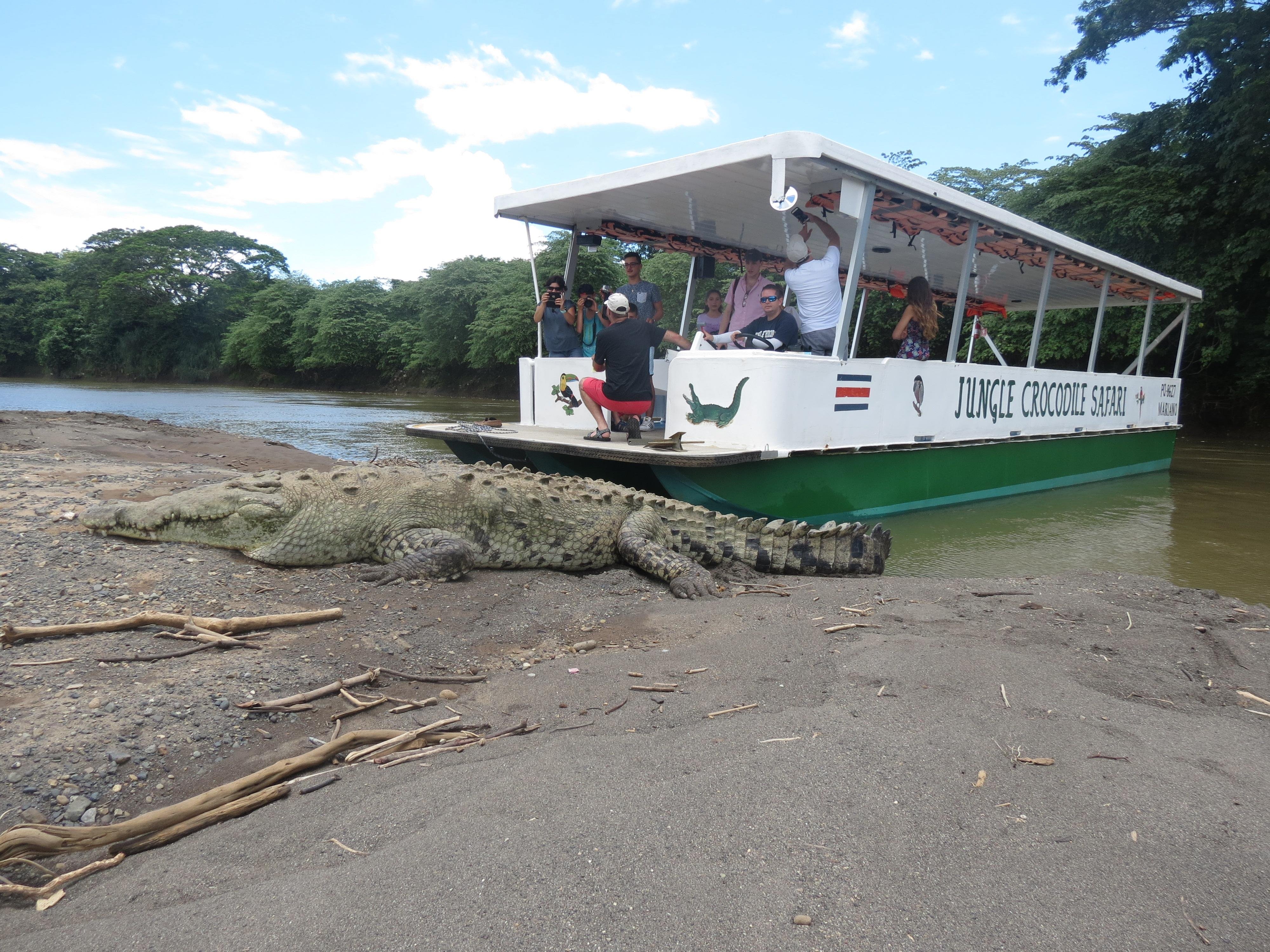
Cruise past giant crocodiles and tropical wildlife on a 1.5-hour pontoon safari through Costa Rica's Pacific mangroves.
Reserve
Hand-picked by our editors — only the best 5 wildlife safaris from 24 reviewed.
Verified partners for every tour, free cancellation where available, and instant confirmation on every booking.
1 hr 30 min
Cruise past giant crocodiles and tropical wildlife on a 1.5-hour pontoon safari through Costa Rica's Pacific mangroves.
Reserve
11 hr
Explore rainforest trails and spot scarlet macaws, crocodiles, and rare wildlife with an expert biologist
Reserve
3 hr
Explore the transition zone between tropical ecosystems on a naturalist-led forest hike.
ReservePrices from verified partners. Availability updates in real time at checkout. Free cancellation policies apply where shown.
The landmarks, rooms, and views travelers on this tour remember — all visible on a single visit.
Observe massive reptiles in their natural river setting
Close-up wildlife photography of world-famous crocodiles
Navigate through dense, protected mangrove canals
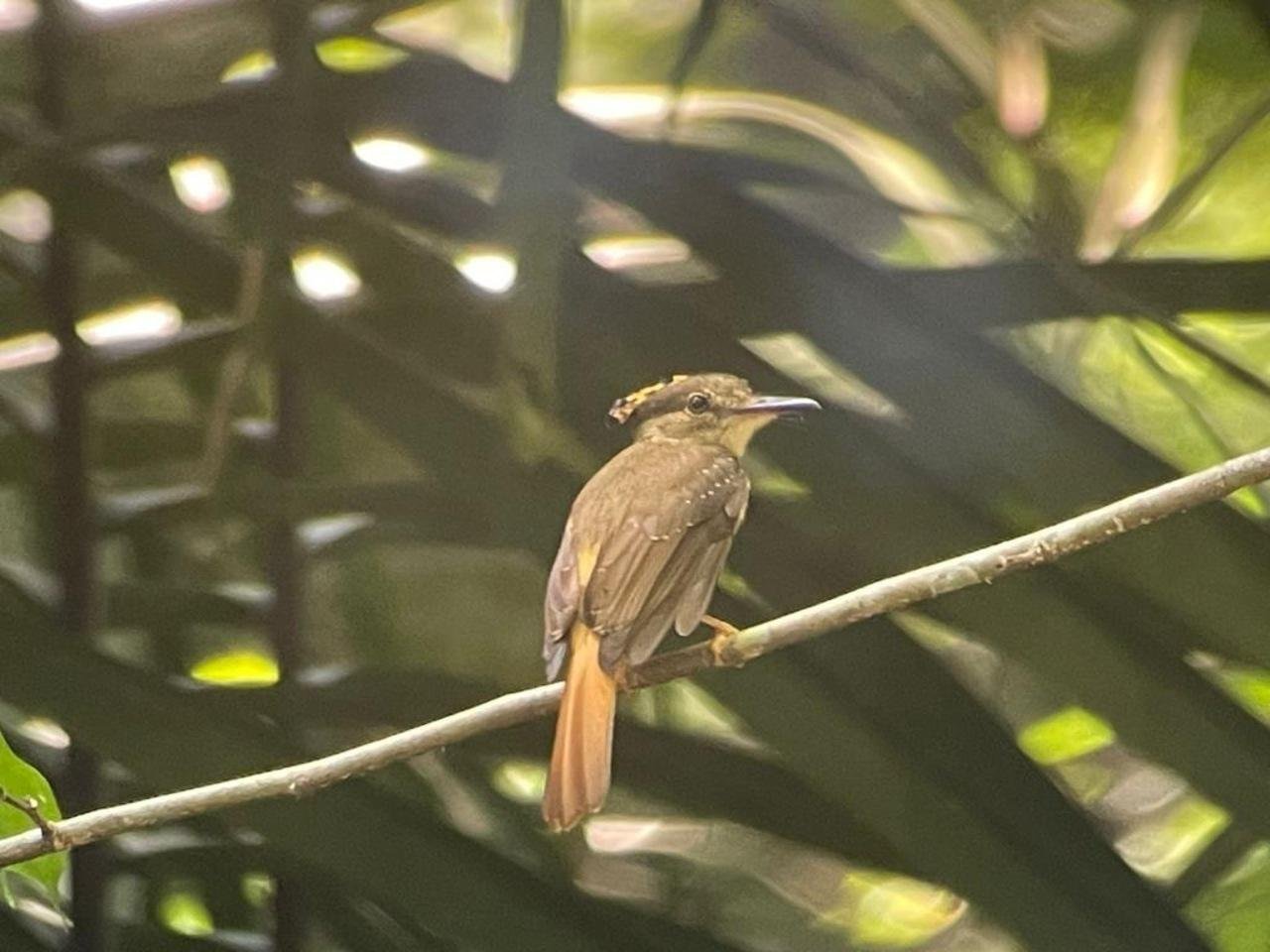
Spot species like scarlet macaws and kingfishers
Experience the river from a safe, comfortable boat
They complement each other; most visitors who do both call the boat-based river expedition the more thrilling encounter with Costa Rican apex predators. While the public crossing provides a quick glimpse, the tarcoles river crocodile boat tour provides deeper river exploration.
| Feature | Top pick Boat Tour | Bridge Viewing |
|---|---|---|
Viewpoint |
Water-level proximity | High-altitude vantage |
Interaction Level |
Guided wildlife education | Passive observation |
Duration |
1.5–2 hours | 15–30 minutes |
Wildlife Access |
Deep river channels | Bridge perimeter only |
Cost |
Private commercial services | 0 USD (Free) |
| See tickets → |
Verdict: Choose the boat-based excursion for immersive wildlife photography and expert narration, or select the bridge for a brief, no-cost tarcoles river crocodile boat tour tickets experience during your road trip.
Choose your ticket, select your date, and reserve in under two minutes. Secure checkout handled by our verified partner.
Instant confirmation by email, with a mobile voucher you can save offline. No printing, no queuing at a collection desk.
Arrive at the entrance, show your voucher on your phone, and walk in. Most tickets include priority or skip-the-line access.
Practical details for your visit straight from our verified partners — hours, access, rules, and how to get there.
Lightweight, breathable clothing is recommended due to tropical temperatures. Wear comfortable footwear suitable for getting in and out of river boats.
Most operators provide secure parking areas to keep luggage safe during your tarcoles river crocodile boat tour. Valuables should remain secure at all times.
The tarcoles river crocodile boat tour provides excellent opportunities for wildlife photography. Bring a camera with a zoom lens to capture reptiles and birds from a safe distance.
Many tour providers offer wheelchair accessible facilities at their private docks. Verify specific boarding requirements with your chosen operator before booking your tarcoles river crocodile boat tour.
This activity is highly recommended for families as the calm water and wildlife sightings keep children engaged. Pamphlets identifying local species are often provided during the tarcoles river crocodile boat tour.
Complimentary coffee or water is often included at the welcome centers of various operators. Lunch options may be available as an add-on for your tarcoles river crocodile boat tour.
Best time to go, insider tips, nearby landmarks, and the cancellation fine print — flip through to skim what matters to you.
Flexible, no hidden fees.
For a full refund, you must cancel at least 24 hours before the scheduled departure time. Entry to the public bridge is 0 USD, while a tarcoles river crocodile boat tour is a private commercial service.
The Tárcoles River empties into the Pacific through one of Central America's highest-density crocodile populations, a 25-kilometre tidal corridor that holds more than 2,000 American crocodiles within its mangrove-lined banks. Crocodylus acutus, the species native to these waters, reaches lengths exceeding five metres and congregates where the river slows near the coastal bridge on Route 34. The estuary ecosystem supports this concentration because twice-daily tides flush nutrients upstream, sustaining tilapia and snook populations that form the crocodiles' primary diet. Boat-based observation became commercially viable in the early 2000s when local fishermen repurposed their pangas as wildlife platforms, discovering that crocodiles tolerate vessels at close range during morning basking periods when their ectothermic biology demands solar heat. Tárcoles river crocodile boat tour operators launch from the western riverbank between the highway bridge and the mangrove delta, where shallow draft boats navigate channels at low tide and deeper oxbows during flood cycles. The river's appeal extends beyond reptiles: its position adjacent to Carara National Park's 5,200 hectares creates a transition zone where Pacific dry forest meets humid coastal vegetation, attracting 400 recorded bird species including resident scarlet macaw populations that nest in almendro trees along the upper banks. Roseate spoonbills, boat-billed herons, and bare-throated tiger herons feed in the mudflats exposed at ebb tide, while brown pelicans and magnificent frigatebirds patrol the river mouth. Tour durations range from 90-minute crocodile-focused circuits to half-day combinations pairing river safaris with Carara's terrestrial trails, where white-faced capuchins and Central American agoutis occupy the forest understory. The bridge spanning the Tárcoles near Tarcoles village became an informal viewing platform in the 1990s, drawing travelers along the coastal highway who could observe crocodiles from the roadside without entering the water. That accessibility transformed the river into Costa Rica's most-photographed crocodile site, yet boat excursions remain the only method for encountering individuals in the mangrove interior, where nesting sites and juvenile crocodiles occupy territories inaccessible from shore. Morning departures between 07:00 and 10:00 align with crocodile thermoregulation patterns, when individuals emerge from overnight shelters to absorb radiant heat on exposed banks, remaining stationary for extended observation. Water levels dictate navigable routes: dry season low tides from December through April reveal sandbars and concentrate crocodiles in predictable pools, while wet season high water from May through November permits deeper penetration into tributary channels where arboreal wildlife descends to drink.
"The Tárcoles River holds more than 2,000 American crocodiles within its mangrove-lined tidal corridor, one of Central America's highest-density reptile populations."
A step-by-step walkthrough of the visit — what you'll see, how long each stage takes, and the details that matter.
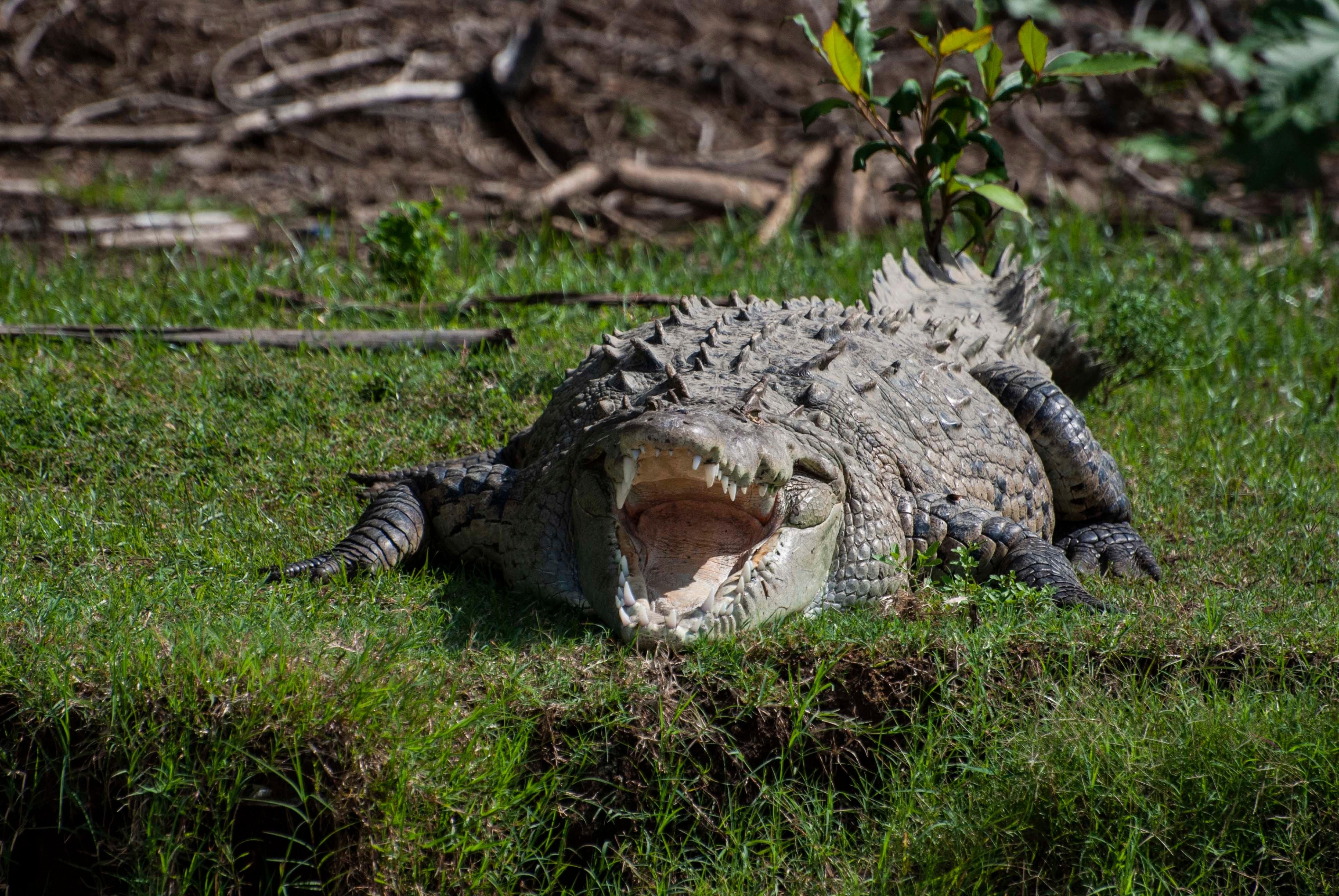
You board a shallow-draft panga at the riverbank launch site west of the highway bridge, where your guide throttles upstream into the mangrove corridor as the morning light angles across the water. Within three minutes the boat slows near a sandbar where a four-metre crocodile lies motionless, jaws agape in a thermoregulatory pose that exposes rows of conical teeth. Your guide cuts the engine and drifts to within five metres, close enough to photograph the armored scutes along the animal's dorsal ridge and the pale yellow of its eye. The crocodile tolerates the approach without retreating, a behavior born from decades of non-threatening boat traffic. The panga continues into narrower channels where mangrove roots form tangled barriers at the waterline. A roseate spoonbill lifts from a mudflat, its pink plumage vivid against the green canopy, and a pair of scarlet macaws crosses overhead with guttural calls. You pass a dozen more crocodiles in the next hour, ranging from hatchlings thirty centimetres long to a five-metre male that submerges as the boat nears. The guide identifies a boat-billed heron perched in shadow and points out tilapia schooling in shallow eddies. At the river mouth the water widens, pelicans dive for fish, and the Pacific surf line marks the estuary's western edge before the return journey traces the same mangrove corridor back to the launch point.
Operators typically run from 07:00 – 17:00 daily.
No, there is 0 USD entrance fee for the public bridge; boat tours are private commercial services.
The best arrival window is 07:00 – 10:00 to experience higher wildlife activity and lower temperatures.
Yes, families often enjoy the tarcoles river crocodile boat tour due to the educational nature of the experience.
Yes, it is recommended to book your tarcoles river crocodile boat tour in advance to guarantee availability.
The bridge is a public thoroughfare, but exercise caution with traffic and keep valuables secure.
Yes, photography is encouraged and is a highlight of the tarcoles river crocodile boat tour.
A standard tour lasts approximately 1 hour and 45 minutes.
For a full refund, cancel at least 24 hours before the scheduled departure time.